Eating in Pontocho: Booking, Prices and Charges
 By Max R., last reviewed , 4 min read
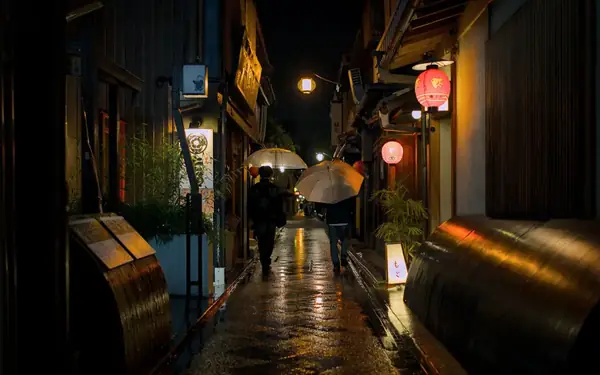
Nearly every doorway in Pontocho leads to somewhere to eat or drink, from six-seat counter bars to kaiseki restaurants with rooms over the river. Dinner here is a treat, but turning up hungry at 19:30 on a Saturday without a booking usually ends with a walk to Kiyamachi. Below: how booking works, roughly what things cost, and the charges that catch visitors out.
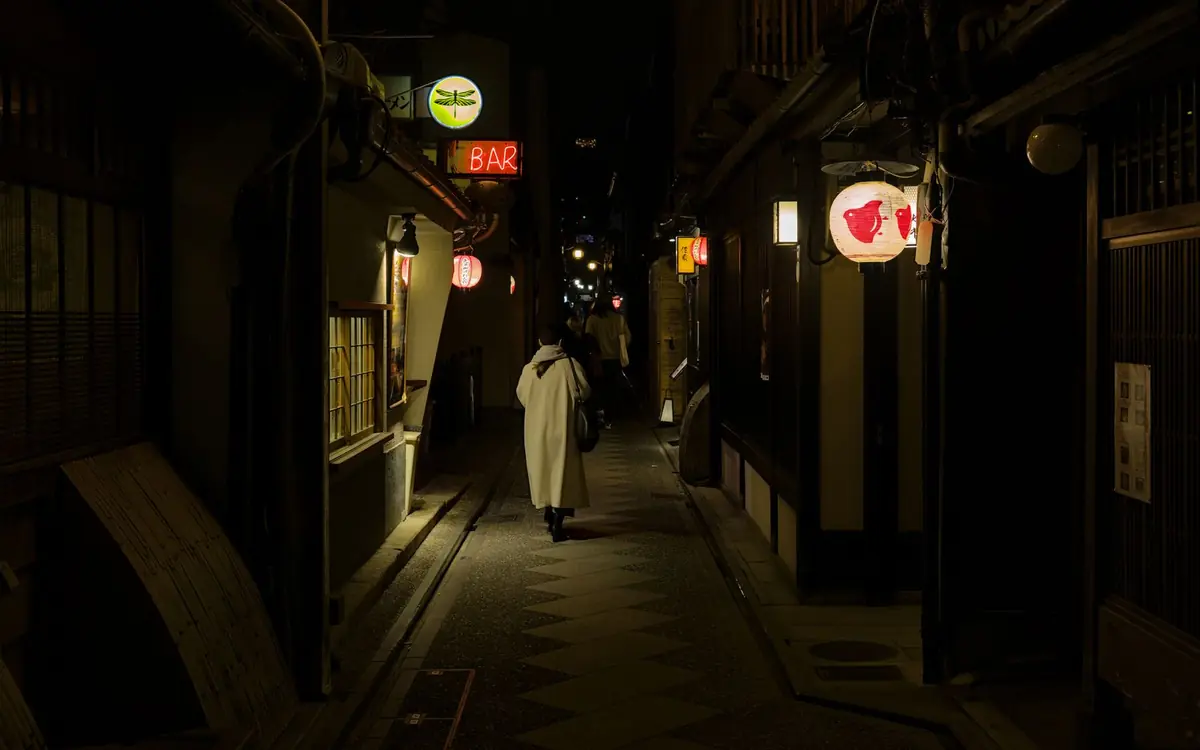
Restaurants and teahouses are different things
Pontocho is a working geisha district, and its teahouses (ochaya) still mostly take guests by introduction. You will see them as quiet, unmarked wooden fronts. Restaurants and bars are different: they are open to anyone, and most show a menu, a price range or at least a noren curtain with their name at the door. If there is no sign of a business at all, assume it is a teahouse or a private home and walk on.
Do you need a reservation?
For dinner in the lane itself, it is safest to assume yes, especially:
- on Friday and Saturday evenings and before public holidays;
- in cherry blossom season, autumn leaves season and Golden Week;
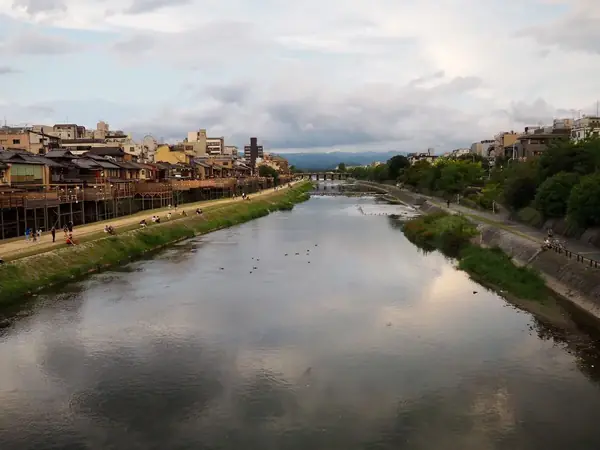
- for a seat on the riverside platforms between May and mid-October;
- for kaiseki courses, which are often prepared for the number of guests booked.
Many restaurants are small, and some fill completely with regulars. Booking a few days ahead is usually enough on weekdays; for weekends in high season, a few weeks is wiser.
How to book. Large Japanese booking sites list many Pontocho restaurants, and some have English versions. Your hotel's front desk can also call on your behalf, which helps with places that only take phone bookings in Japanese. Give the number of people, the time, and whether you want a platform seat or a counter seat, as these are often priced differently.
Cancellation fees. No-shows are a real problem for small restaurants, and many now charge a cancellation fee, sometimes the full price of the course if you cancel on the day. Check the policy when you book, and cancel as early as you can if plans change.
What dinner costs
Prices in Pontocho run from casual to very expensive, and the menu or a price board at the entrance usually tells you which kind of place it is. As a rough guide:
- Bars and izakaya with small plates and drinks are the most affordable way to eat in the lane.
- Set dinners at mid-range restaurants (yakitori, tempura, obanzai home-style dishes, Western food) sit in the middle.
- Kaiseki courses, Kyoto's formal multi-course cuisine, commonly cost ¥10,000 or more per person before drinks, and the top restaurants charge far more.
Lunch is the best-value way to try a restaurant you could not otherwise afford. Many places that serve expensive dinner courses offer a much cheaper lunch set, though not every restaurant opens at midday.
Charges on the bill
Table charge or otoshi. Many izakaya and bars serve a small appetiser you did not order, called otoshi, and add a few hundred yen per person to the bill for it. It is a cover charge, not a mistake. Some bars charge a seat fee instead.
Service charge. More formal restaurants and platform seats sometimes add a service charge of around 10%. It should be stated on the menu or booking page.
No tipping. Tipping is not part of Japanese restaurant culture, and leaving money on the table may lead staff to run after you to return it. Good manners and a "gochisosama deshita" ("thank you for the meal") on the way out are enough.
Payment. Cards are accepted in most restaurants now, but some small bars and counters are cash only. Carry some yen.
Smoking
Since April 2020 Japanese law has banned smoking inside most restaurants, with exceptions for some small existing bars and for separate smoking rooms. Places where smoking is allowed must show a sign at the entrance, so look for one if smoke bothers you. Smoking on the street is restricted in central Kyoto; use a designated smoking area.
Dietary needs and children
Kyoto cooking relies heavily on dashi stock, which is usually made with bonito fish flakes, so dishes that look vegetarian often are not. A few places in central Kyoto specialise in vegetarian or Buddhist temple cuisine (shojin ryori); elsewhere, mention allergies and dietary needs clearly when you book, not on arrival, because many kitchens cannot adapt a set course on the spot.
Some formal restaurants do not accept young children, and counter bars are rarely suitable. Ask when you book. Casual places along Kiyamachi and Kawaramachi are usually easier with a family.
If you have not booked
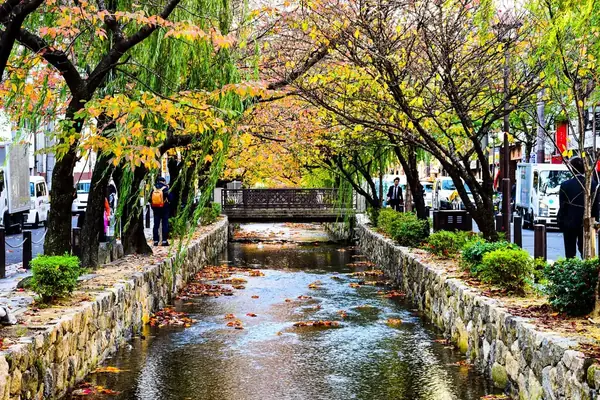
Go early. Many restaurants open around 17:00 or 17:30, and the first hour is your best chance of a walk-in table. Monday to Thursday outside the peak seasons is far easier than a weekend. If the lane is full, try one street west: Kiyamachi, along the Takase River, and the streets around Kawaramachi and Sanjo have many more restaurants, and more of them take walk-ins.
One warning. Touting for customers on the street is banned in the Gion and Kawaramachi nightlife area under a City of Kyoto ordinance, so anyone who stops you to bring you to a bar is breaking it. Say no and keep walking.
At the table
Arrive on time for your booking, keep your voice down in small rooms, ask before photographing other guests or the kitchen, and don't bring outside food or drink. If you are on a platform seat, remember that sound carries across the water to the houses and riverbank. The etiquette guide covers the lane more generally.